Investing in Historic Real Estate Properties in Turkey: A Complete Guide
Understanding Historic Real Estate Investment in Turkey
Turkey's rich cultural heritage spanning millennia presents unique investment opportunities in historic real estate properties. From Ottoman-era mansions in Istanbul's Bosphorus neighborhoods to restored Byzantine structures in Cappadocia, investing in historic properties offers both financial returns and cultural preservation benefits.
The Turkish government actively supports historic property restoration through various incentive programs, making this investment category increasingly attractive for both domestic and international investors seeking Turkish citizenship through property investment.
Types of Historic Properties Available for Investment
Ottoman Period Architecture
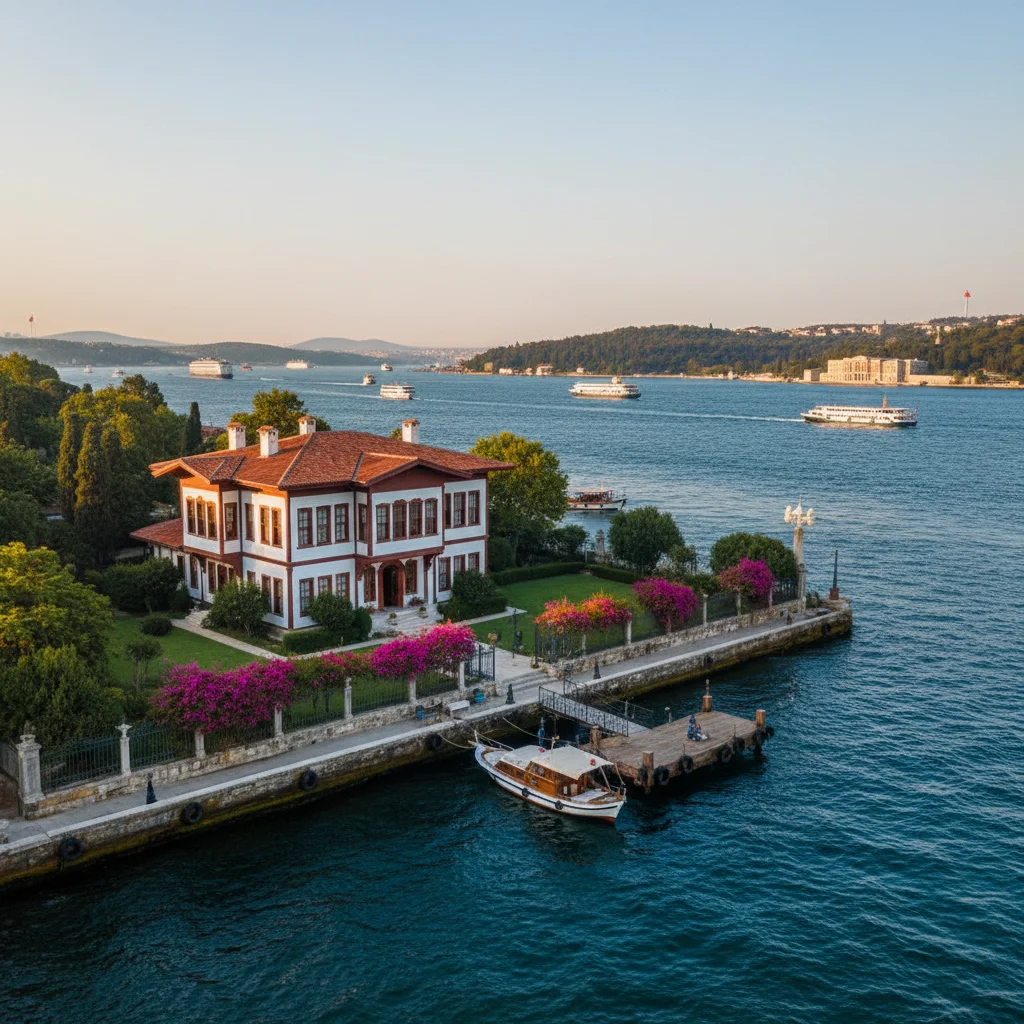
Waterfront yalis (mansions) along the Bosphorus
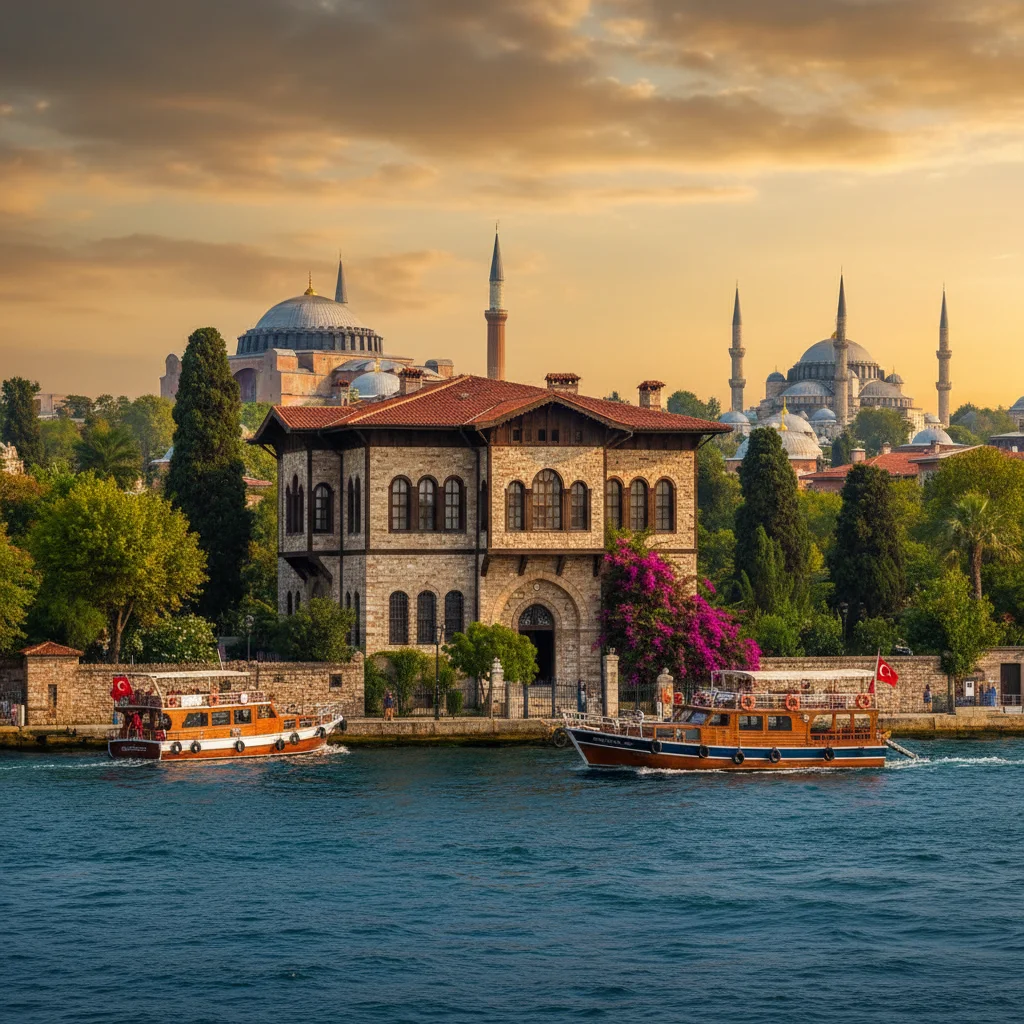
Traditional konak houses in historic neighborhoods
Restored han (caravanserai) buildings converted to hotels
Historic hammam (bathhouse) structures
Byzantine and Earlier Periods
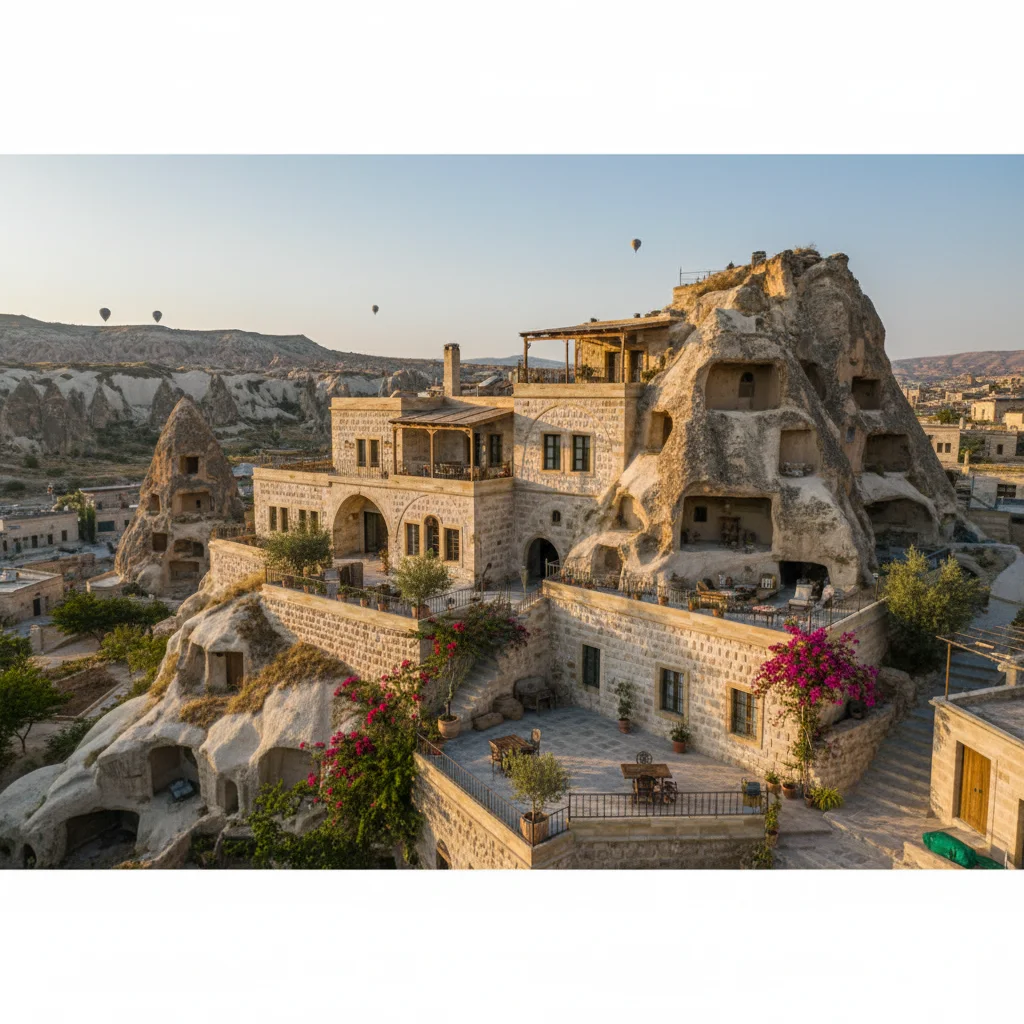
Stone houses in Cappadocia's cave settlements
Restored monastery complexes
Ancient city residential quarters
Traditional Aegean stone houses
Looking for the best real estate investment opportunity in Istanbul?
We help you choose the right property based on your budget and goals
Turkey's Ministry of Culture and Tourism classifies historic properties into several categories, each with specific renovation and usage restrictions:
Classification
Renovation Flexibility
Commercial Use
Investment Potential
Grade 1 Monument
Highly Restricted
Limited
Cultural Value Focus
Grade 2 Historic
Moderate
Permitted
Balanced Investment
Grade 3 Traditional
Flexible
Full Permission
High Commercial Potential
Foreign Ownership Regulations
International investors can purchase historic properties in Turkey, subject to reciprocity agreements and security clearances. The minimum investment threshold for citizenship eligibility is $400,000, with historic properties often qualifying for this program.
Required Documentation
Cultural Heritage Board approval for renovations
Detailed restoration project plans
Professional architect certification
Municipality building permits
Fire safety and structural compliance certificates
Investment Opportunities and Market Analysis
Prime Historic Investment Locations
Istanbul Historic Districts
Sultanahmet: Byzantine and Ottoman monuments, high tourism potential
Beyoğlu: 19th-century European architecture, cultural district
Fatih: Traditional Ottoman neighborhoods, authentic atmosphere
Üsküdar: Asian side historic waterfront properties
Regional Historic Centers
Cappadocia: Cave hotels and stone houses, UNESCO World Heritage site
Safranbolu: Ottoman wooden architecture, tourism development
Mardin: Mesopotamian stone architecture, cultural tourism hub
Antalya Old Town: Mediterranean historic quarter, year-round tourism
Financial Considerations and ROI Potential
Historic property investments in Turkey typically require 20-40% higher initial capital compared to modern properties due to restoration costs. However, they offer unique advantages:
Revenue Streams
Boutique hotel operations (8-15% annual ROI)
Cultural event venues and wedding locations
Luxury residential rentals to expatriates
Commercial spaces for artisan workshops
Film and photography location rentals
Looking for the best real estate investment opportunity in Istanbul?
We help you choose the right property based on your budget and goals
Successful historic property restoration requires careful planning and adherence to cultural preservation guidelines:
Phase 1: Assessment and Documentation
Historical research and architectural survey
Structural engineering evaluation
Cultural Heritage Board consultation
Cost estimation and timeline development
Phase 2: Design and Approval
Restoration architect selection
Detailed project drawings and specifications
Heritage board approval process
Municipality permit applications
Construction and Restoration Standards
Turkish historic property restoration must comply with international conservation standards while respecting original architectural integrity:
Material Requirements
Traditional materials matching original construction
Handcrafted elements by certified artisans
Modern infrastructure integration with minimal visual impact
Energy efficiency improvements within heritage guidelines
Financing Options and Government Incentives
Turkish Government Support Programs
The Turkish government offers various incentives for historic property restoration to encourage cultural preservation:
Financial Incentives
Reduced VAT rates on restoration materials (1% vs. standard 18%)
Property tax exemptions for certified restorations
Low-interest loans through development banks
EU co-funding for UNESCO World Heritage site projects
International Financing Solutions
Foreign investors can access specialized financing for Turkish historic properties through:
Turkish bank foreign investor programs
International development finance institutions
Private equity funds focused on heritage tourism
Crowdfunding platforms for cultural projects
Risk Management and Due Diligence
Common Investment Risks
Regulatory and Compliance Risks
Changing cultural heritage regulations
Extended approval processes causing delays
Unexpected archaeological discoveries
Usage restrictions limiting commercial potential
Technical and Financial Risks
Hidden structural problems increasing costs
Specialized craftsman availability and costs
Market demand fluctuations for heritage tourism
Currency exchange risks for foreign investors
Risk Mitigation Strategies
Professional investors in Turkish historic properties employ comprehensive risk management approaches:
Detailed technical due diligence by heritage specialists
Comprehensive insurance coverage for restoration projects
Contingency budgets of 25-35% for unexpected costs
Local partnership with experienced restoration companies
Phased investment approach to minimize exposure
Future Market Outlook and Trends
Growing Heritage Tourism Demand
Turkey's strategic position between Europe and Asia, combined with its rich cultural heritage, drives increasing demand for authentic historic accommodations and experiences. The government's 2023 Tourism Strategy emphasizes cultural tourism development, creating favorable conditions for historic property investments.
Technology Integration in Heritage Properties
Modern historic property investments successfully integrate contemporary amenities while preserving architectural integrity:
Smart home systems with discreet installation
Sustainable energy solutions respecting heritage guidelines
Digital marketing platforms for heritage tourism
Virtual reality experiences enhancing cultural value
Investing in historic real estate in Turkey offers unique opportunities for investors seeking both financial returns and cultural impact. Success requires thorough understanding of regulations, careful project management, and appreciation for Turkey's rich architectural heritage.